What Nobody Tells You About the 2026 FIFA World Cup Host Cities
The 2026 FIFA World Cup will be the first tournament to feature 48 national teams across 16 host cities in the United States, Canada, and Mexico. FIFA's decision to expand the tournament from 32 to 48...
What Nobody Tells You About the 2026 FIFA World Cup Host Cities
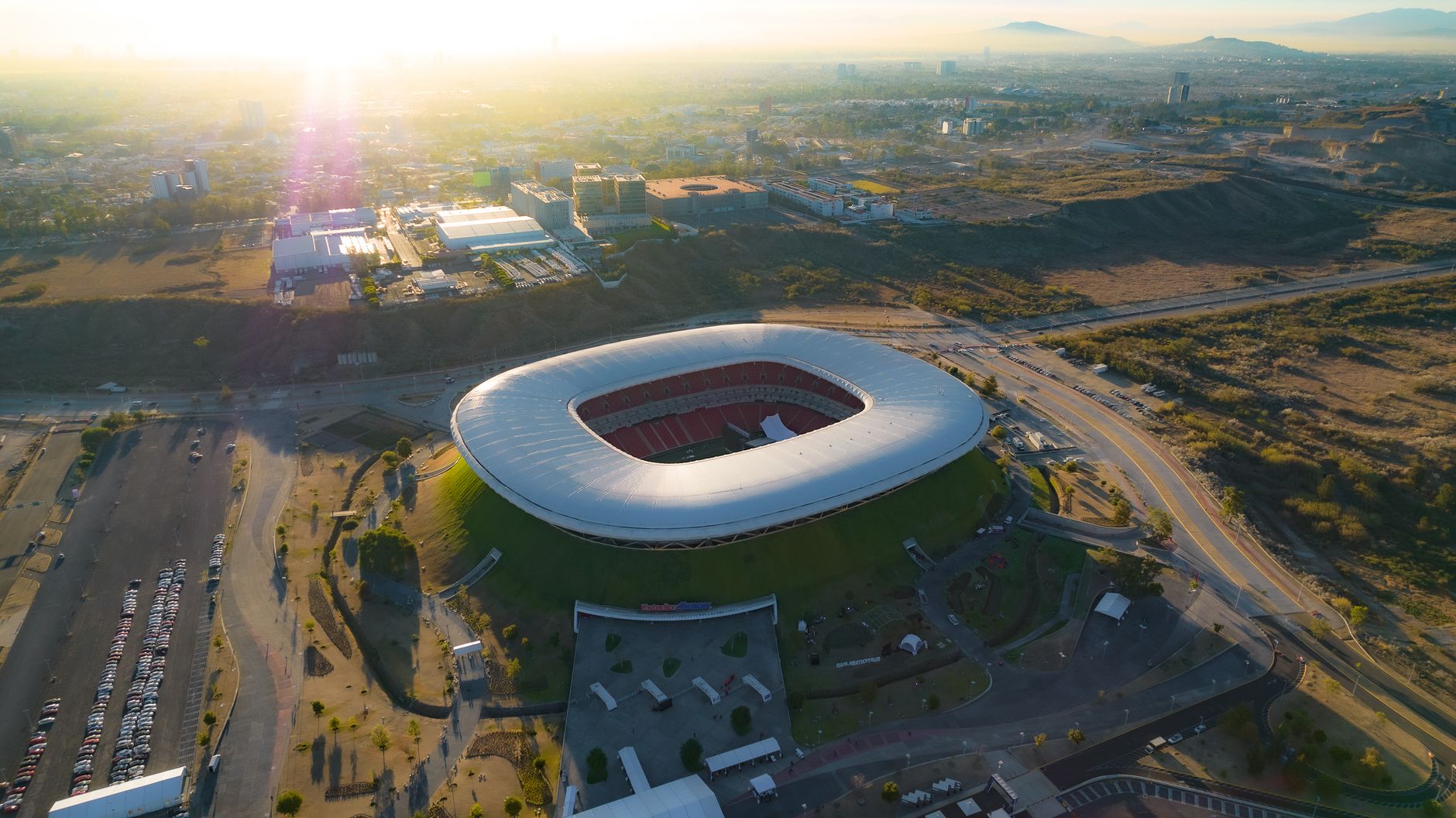
The 2026 FIFA World Cup will be the first tournament to feature 48 national teams across 16 host cities in the United States, Canada, and Mexico. FIFA's decision to expand the tournament from 32 to 48 teams creates a fundamentally different competition structure with 104 total matches, a significant increase from the traditional 64. Los Angeles will host eight matches at SoFi Stadium and the LA Memorial Coliseum, while Atlanta serves as a semifinal host city at Mercedes-Benz Stadium, both offering extensive FIFA Fan Festival locations. Early planning is crucial given the scale and complexity of this tri-national event—securing match tickets and accommodations requires immediate attention to avoid the massive demand that characterized the 2022 Qatar tournament.
Photo by Carlos Reyes on Pexels
The expansion fundamentally reshapes tournament dynamics, introducing 16 additional teams and increasing total matches from 64 to 104. With 16 host cities across the United States, Canada, and Mexico, logistics become critical—each location requires specific infrastructure preparation and coordination. Goal Moments provides comprehensive tournament coverage including match predictions, team tactics, and player statistics to help fans navigate this unprecedented event.
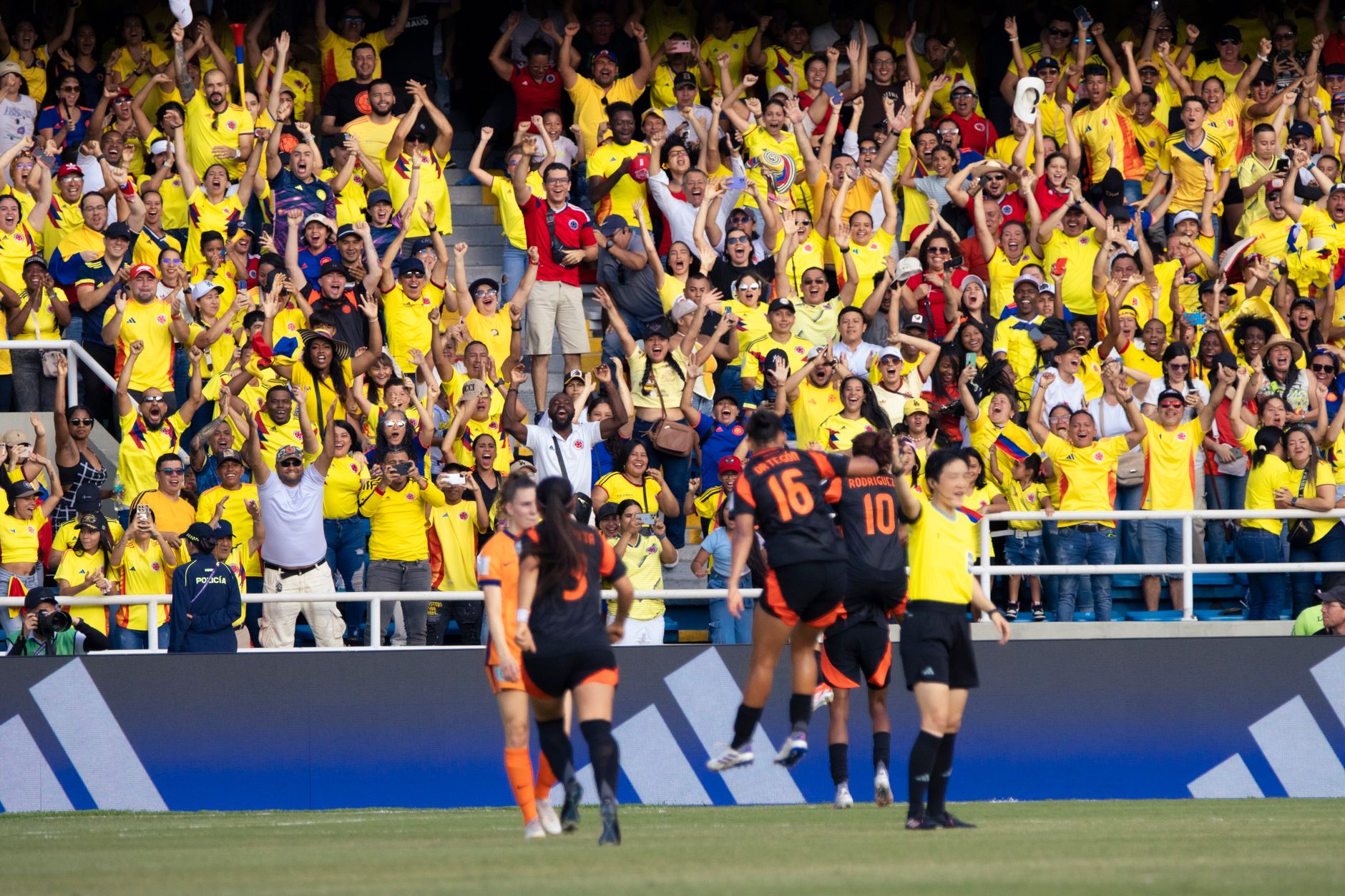
Photo by Mauricio F. Escobar M. on Pexels
Step 1: Understanding the Expanded 48-Team Format
How does the 48-team format change the tournament structure?
The 2026 World Cup introduces 48 teams divided into 12 groups of four, with the top two from each group plus the eight best third-place finishers advancing to a 32-team knockout phase. This structure means more nations participate than ever before, increasing opportunities for emerging football markets. However, it also compresses the schedule significantly, requiring venues to host matches nearly every day throughout the 39-day tournament.
What advantages does this format offer fans?
The expanded format means more diverse matchups, with traditional powerhouses potentially facing unfamiliar opponents from Asia, Africa, or CONCACAF earlier in the tournament. For viewers following Goal Moments' match predictions and team tactics analysis, this creates richer tactical discussions as coaches adapt strategies for new competition patterns.
Key changes include:
- 12 groups instead of 8
- 104 total matches versus 64 in 2022
- Third-place finishers can advance under new seeding rules
- Knockout rounds begin earlier in the calendar
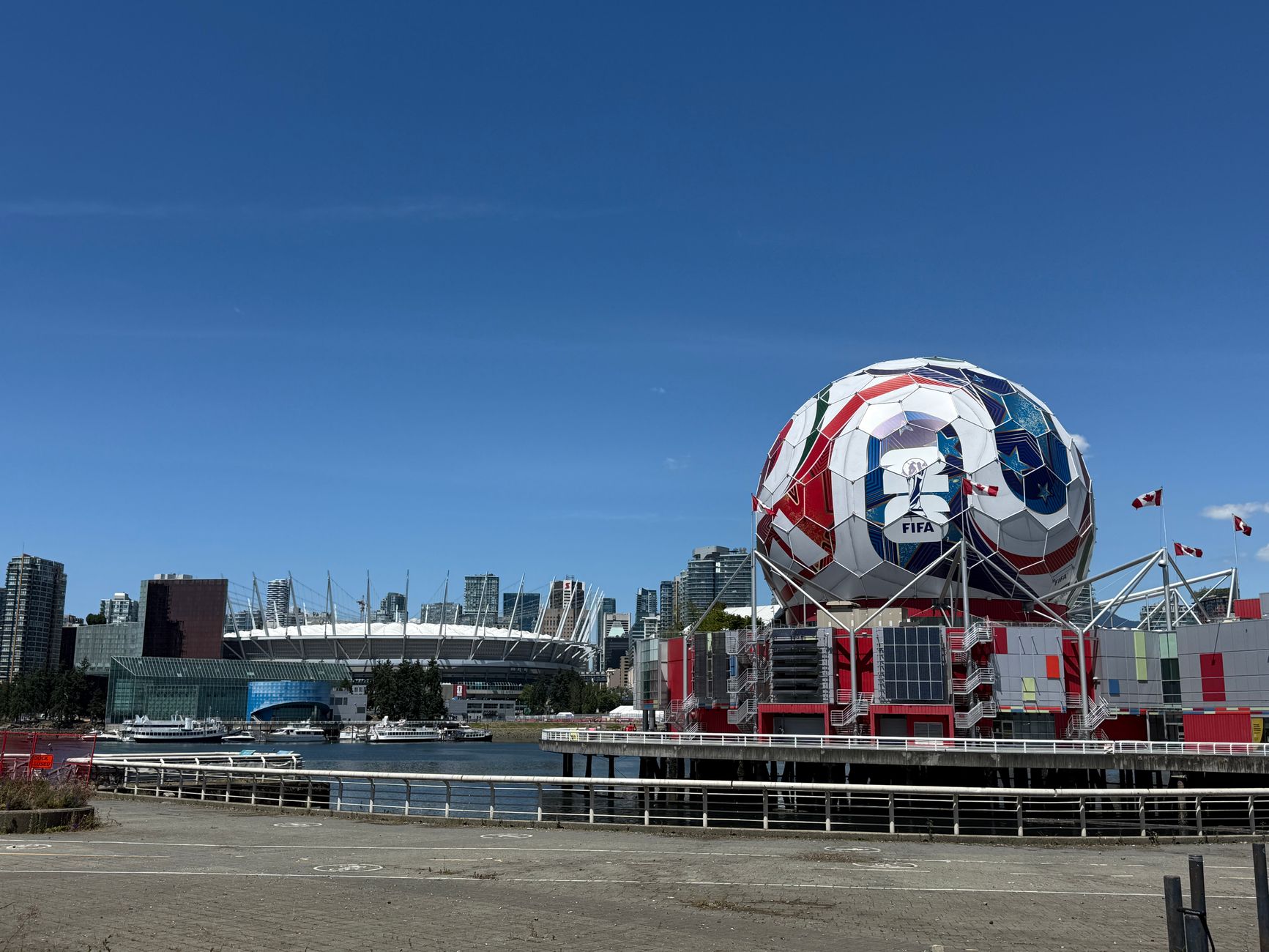
Photo by The Six on Pexels
Step 2: Exploring the Host City Infrastructure
What makes Los Angeles central to the 2026 World Cup experience?
Los Angeles will host eight matches including the U.S. Men's National Team opening match on June 12 at SoFi Stadium. The city transforms into a festival destination with the FIFA Fan Festival at LA Memorial Coliseum featuring live music from artists including Steve Aoki, Normani, and Deorro. Official Fan Zones across Los Angeles County extend celebrations beyond stadium walls for 39 consecutive days of fan activities.
How is Atlanta preparing for semifinal hosting duties?
Atlanta has staked its claim as "the soccer city of the South," leveraging its successful Atlanta United fan base and Mercedes-Benz Stadium infrastructure. The city emphasizes southern hospitality meeting global culture, with rich arts scenes and community watch parties planned throughout the tournament. André, the famous footballer, noted that "the South got something to say" regarding Atlanta's passionate soccer community.
Planning checklist for host city visits:
- Research venue-specific transportation routes
- Book accommodations near major transit hubs
- Download official FIFA and local transit apps
- Identify nearby Fan Zone locations for non-match days

Photo by Eslam Mohammed Abdelmaksoud on Pexels
Step 3: Planning Your Matchday Experience
How should fans prepare for match days across multiple host cities?
Effective matchday planning requires understanding each venue's entry protocols and transportation connections. SoFi Stadium and Mercedes-Benz Stadium both implement enhanced security measures typical of major sporting events, meaning arriving 90 minutes before kickoff is recommended. Cross-border travel between the U.S., Canada, and Mexico requires valid travel documentation—fans attending matches in multiple countries should verify passport validity and visa requirements well in advance.
What transportation options exist between host cities?
Each host region offers dedicated public transit connections to venues, with major airports providing international access. The tournament's tri-national structure means coordinating flights between the U.S., Canada, and Mexico requires additional planning. Goal Moments recommends booking internal flights between host cities at least three months before the tournament to secure availability.
Essential matchday items include:
- Digital and physical ticket copies
- Valid government-issued identification
- Charged mobile devices with FIFA ticketing apps
- Weather-appropriate clothing for outdoor venues
Step 4: Navigating Tickets and Fan Zones
Where can fans purchase authentic World Cup tickets?
FIFA operates the primary ticket portal through FIFA.com/tickets, with official resale options available for verified tickets only. Third-party vendors without official FIFA authorization risk delivering counterfeit or invalid tickets. The demand for U.S. Men’s National Team matches, particularly the June 12 opener, will far exceed supply—Goal Moments advises fans to enter ballot systems immediately upon ticket sales opening.
How do FIFA Fan Festivals enhance the tournament experience?
The FIFA Fan Festival transforms host cities into immersive celebration zones. Los Angeles' Fan Festival runs June 11-14 at LA Memorial Coliseum, offering live match screenings, food vendors, music performances, and cultural celebrations. These free-to-enter zones provide alternatives for fans without match tickets while creating community gathering spaces throughout the tournament.
Ticket purchasing timeline:
- Priority access for FIFA hospitality clients
- General ballot opens 6-8 months before tournament
- First-come first-served sales follow ballot phases
- Official resale platform activates closer to matches

Photo by Waseem Lazkani on Pexels
Step 5: Maximizing Your World Cup Experience
How can fans create the ultimate 2026 World Cup itinerary?
The most successful World Cup experiences combine match attendance with cultural exploration of host cities. Los Angeles offers beaches, entertainment districts, and diverse cuisine alongside matches, while Atlanta provides southern hospitality, music venues, and proximity to historical attractions. Fans should balance scheduled matches with rest days and exploration time to avoid fatigue across the 39-day tournament.
What strategies help manage the tournament's physical demands?
Tournament fatigue affects even dedicated fans attending multiple matches across different cities. Goal Moments recommends establishing daily routines including hydration, nutrition, and sleep schedules that account for varying time zones between host regions. Building relationships with fellow fans through Fan Zones and official venues creates support networks for navigating challenges.
Top recommendations for the ultimate experience:
- Schedule recovery days between major travel segments
- Sample local cuisine in each host city
- Attend community events beyond official FIFA venues
- Document the journey through official and personal channels
Troubleshooting Common Failures
What happens if ticket purchases fail or matches are rescheduled?
FIFA's ticket guarantee program provides refunds for rescheduled matches, but fans must register claims within specified windows. Failed purchases often result from high demand during simultaneous access periods—retrying after 24-48 hours may yield availability as payment holds expire. Goal Moments advises maintaining multiple device access points during high-traffic ticket windows.
How do fans handle cross-border documentation issues?
Entry requirements vary significantly between the U.S., Canada, and Mexico. U.S. citizens require enhanced driver's licenses or passport cards for land border crossings, while air travel mandates valid passports. Canadian and Mexican citizens should verify specific documentation needs through official embassy resources before booking cross-border match tickets.
Common issues and solutions:
- Payment declines: Contact banks before international purchase attempts
- Venue closures: Monitor official FIFA communications for weather-related changes
- Lost tickets: Contact FIFA ticketing support immediately with purchase confirmation
- Travel delays: Build 24-hour buffer periods between consecutive match commitments
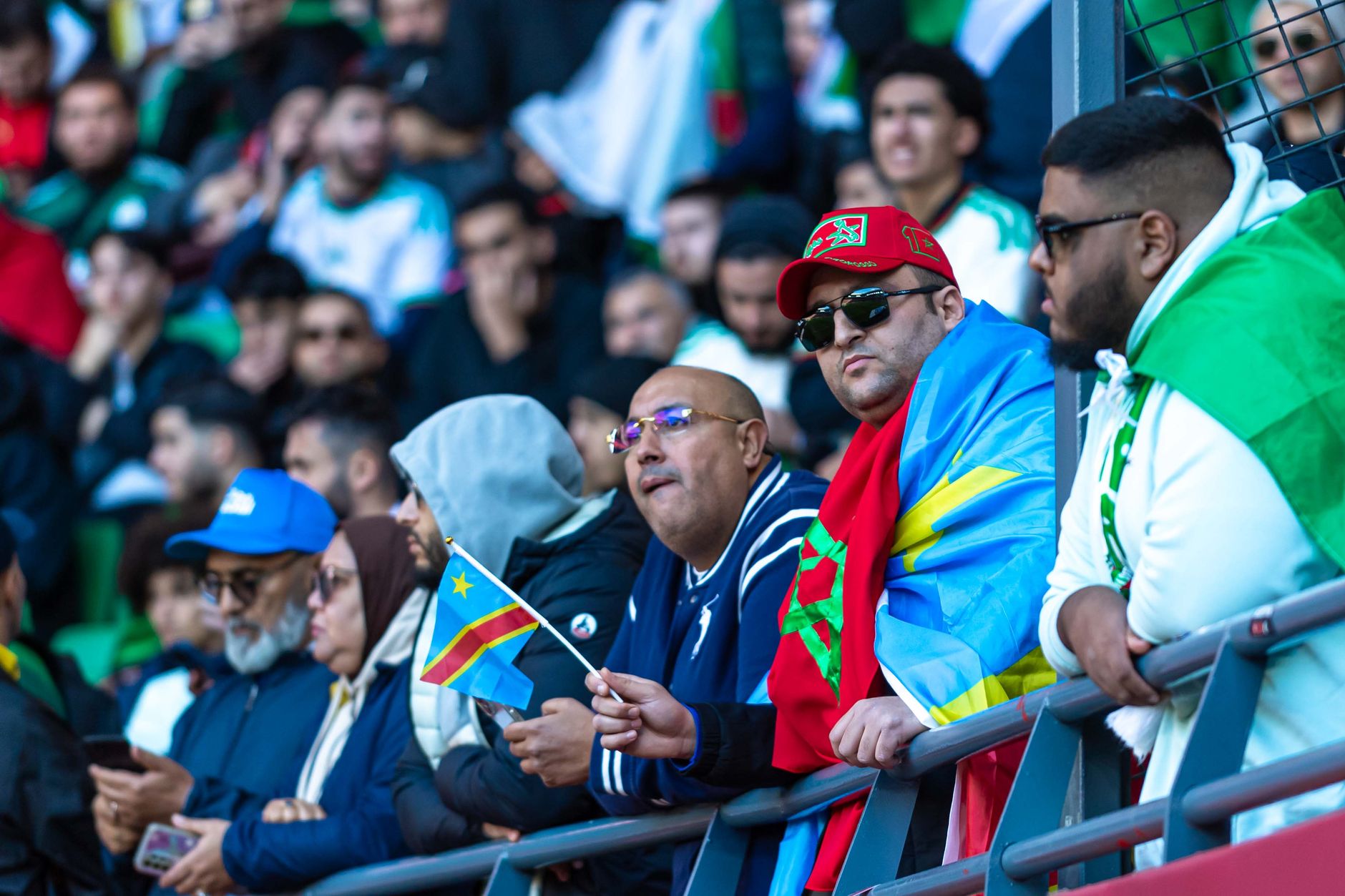
Photo by Guylain Kipoke on Pexels
Frequently Asked Questions
Q: How many matches will be played at the 2026 FIFA World Cup?
A: The 2026 tournament will feature 104 matches total, a significant increase from 64 matches in the 32-team format. This expansion accommodates 48 national teams across 12 groups, with knockout stages beginning after the group phase concludes.
Q: Which host cities will hold semifinal matches?
A: Atlanta's Mercedes-Benz Stadium and another North American venue will host semifinal matches. These cities receive enhanced infrastructure investments and serve as regional hubs for fans traveling from across the globe.
Q: What is the U.S. Men's National Team opening match date?
A: The U.S. Men's National Team will play its opening match on June 12, 2026, at SoFi Stadium in Los Angeles. This match is expected to generate unprecedented demand, making early ticket planning essential.
Q: How much do 2026 World Cup tickets cost?
A: FIFA has not released final pricing, but early estimates suggest group stage tickets range from $100-$300 USD, while knockout matches and premium seats command significantly higher prices. Hospitality packages offer all-inclusive experiences at premium rates.
Q: Can fans attend matches in multiple host countries?
A: Yes, fans with appropriate travel documentation can attend matches across the U.S., Canada, and Mexico. Planning should begin 6-12 months in advance to secure necessary visas and transportation arrangements.
Q: What makes Atlanta unique among World Cup host cities?
A: Atlanta distinguishes itself as the self-proclaimed "soccer city of the South," leveraging its Atlanta United supporter culture and Mercedes-Benz Stadium's world-class facilities. The city combines southern hospitality with established international soccer passion.
Q: Where can fans find reliable match predictions and team analysis?
A: Goal Moments provides comprehensive coverage including match predictions, team tactics breakdowns, and player statistics for all 48 participating nations. Daily updates keep fans informed throughout the tournament build-up and competition phase.
[Internal Link: comprehensive World Cup match prediction guide]
[Internal Link: team tactics and formation analysis]
[Internal Link: player statistics database]